
The Rise of AI in Cybersecurity: Friend or Foe?
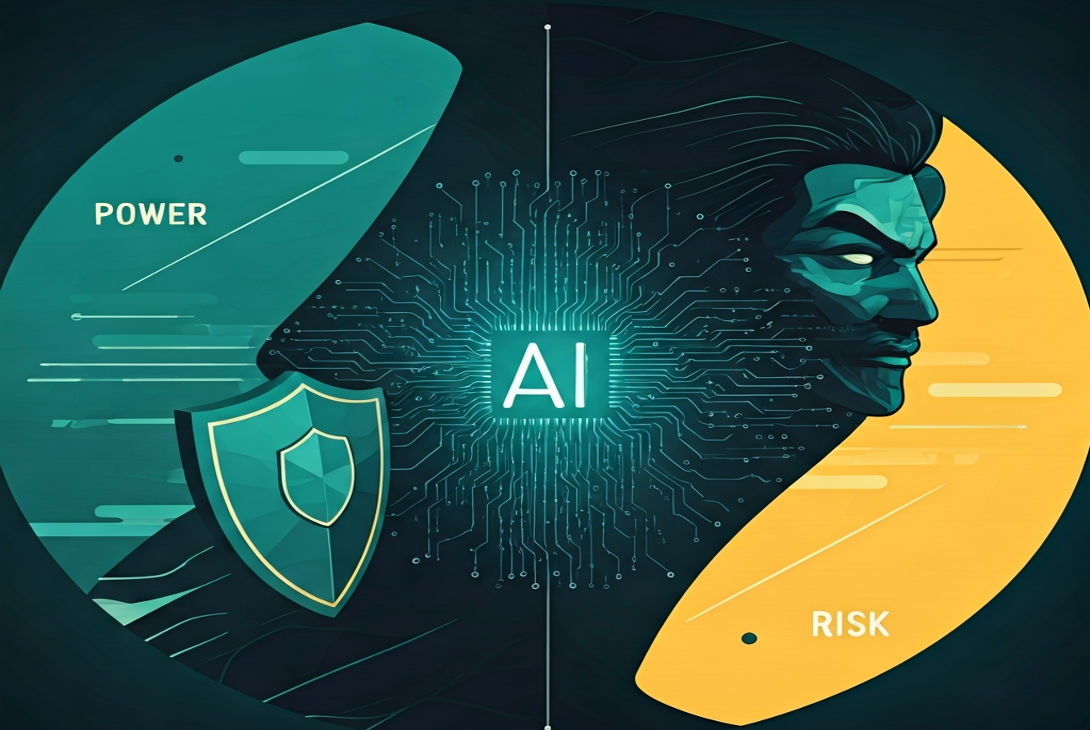
🤖 The Rise of AI in Cybersecurity: Friend or Foe? Artificial Intelligence (AI) is rapidly transforming the digital security landscape. From real-time threat detection to incident response and remediation, AI is reshaping how organizations safeguard their data. However, as defenders leverage AI for proactive cyber defense, attackers are also exploiting it to launch sophisticated, automated cyberattacks. The question arises: Is AI a friend or a foe in cybersecurit
Deepa Sekar
November 3, 2025
💡 How AI is Revolutionizing Cybersecurity
The integration of AI into Managed Security Services and Cybersecurity Assessments has created new possibilities for faster, more accurate protection. Traditional security methods rely heavily on human monitoring and reactive strategies. AI, on the other hand, empowers systems with:
✅ Automated threat detection that identifies anomalies in real time.
✅ Predictive analytics to prevent breaches before they happen.
✅ Machine learning algorithms that evolve with every new attack pattern.
Organizations now deploy vCISO services enhanced by AI to manage risk and compliance solutions, helping businesses stay ahead of evolving threats while maintaining ISO 27001:2022 certification and GDPR compliance services.
⚠️ The Dark Side: When Attackers Use AI
AI isn’t only empowering defenders-it’s also arming attackers. Cybercriminals use AI-driven phishing, deepfakes, and automated malware to exploit vulnerabilities faster than ever. These AI-powered attacks can bypass traditional firewalls, making information security as a service more essential than ever before.
Organizations, especially small and medium enterprises (SMEs), face heightened risks as they often lack in-house security teams. For them, cost-effective security services like cloud security, GRC (Governance, Risk & Compliance), and data privacy & protection from specialized providers are crucial.
📜 AI and Compliance: Strengthening Security Governance
In today’s regulatory environment, compliance management and enterprise risk governance are central to cybersecurity strategy. AI tools assist companies in:
✅ Monitoring and automating ISO audits.
✅ Enhancing transparency across risk and compliance solutions.
✅ Ensuring data privacy consultants can maintain GDPR and ISO standards seamlessly.
These AI-enhanced compliance processes help build trust, improve accountability, and streamline governance.
🛡️ Cyber Resilience Through AI
Modern businesses require cyber resilience strategies to ensure operations continue even during attacks. AI plays a vital role in this transformation by powering proactive cyber defense mechanisms.
By combining cybersecurity consulting expertise with AI-driven insights, organizations can develop tailored cybersecurity solutions that strengthen digital infrastructures and ensure long-term resilience.
⚙️ The Future: Balance Between Human and Machine
While AI provides unmatched speed and intelligence, human expertise remains irreplaceable. Cybersecurity awareness training and digital transformation security programs ensure teams can understand and manage AI tools effectively.
Ultimately, the future of cybersecurity lies in collaboration-AI handles the scale and automation, while human experts bring context, ethics, and creativity.
🏁 Conclusion
The rise of AI in cybersecurity is both a revolution and a challenge. Whether it acts as a friend or foe depends on how organizations harness its potential responsibly. With robust Managed Security Services, information security frameworks, and data privacy & protection strategies, businesses can turn AI into a powerful securing not just their systems, but their future.
❓ Quick FAQ: The Rise of AI in Cybersecurity
Q1: How is AI used in cybersecurity?
A: AI automates threat detection, incident response, and compliance monitoring for faster protection.
Q2: Can AI replace human cybersecurity experts?
A: No, AI enhances efficiency but human expertise ensures ethical and contextual decision-making.
Q3: What are the risks of AI in cybersecurity?
A: Attackers exploit AI for phishing, deepfakes, and advanced malware attacks.